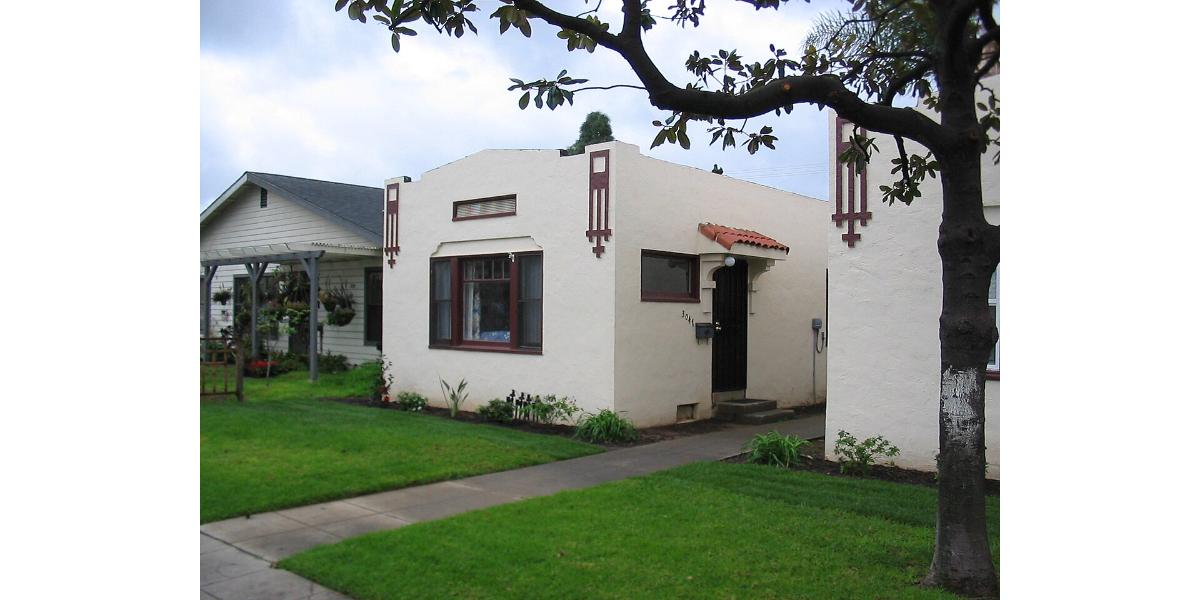
A stucco cottage with a front lawn in San Diego, California. Photo: hey skinny from san diego, usa, CC BY 2.0, via Wikimedia Commons.
When negotiating seller concessions in California across San Diego, El Segundo, and Los Angeles County, buyers are often shopping for either a primary home or an investment rental. Sellers are more willing to pay toward either kind of buyer's costs than they have been in years.
The rules on that money are not the same for both. A buyer who will live in the home has more room to ask for a credit than an investor buying a rental, and at California prices the difference can be large. Knowing which rules apply shapes the whole offer.
Sellers are giving more ground than they have in years
Redfin estimated there were 62.6% more home sellers than buyers in the U.S. in September, the widest gap in records that go back to 2013. Sellers have answered with money. In August, 44.7% of U.S. home sales included a seller concession, up from 42.6% a year earlier, and 15.8% came with both a price cut and a concession.
In the four weeks ending October 11, a record 22% of active listings had a price cut, and the typical home took 49 days to go under contract. With purchase applications running 18% behind last year's pace in early November, according to Fortune, a seller who needs to close usually has to offer something.
A $10,000 price cut lowers your payment less than you think
Most buyers ask for a lower price first, because the price is the number everyone sees. The monthly payment tells a different story. In a worked example from Yahoo Finance on a $400,000 home with a $320,000 loan, a $10,000 price cut saved about $70 a month. The same $10,000 spent on a permanent rate buydown saved about $135 a month, and spent on a 2-1 buydown it saved $418 a month in the first year.
A price cut trims the loan balance, and that saving is spread across decades of payments. A buydown goes straight at the interest rate, which is the heaviest part of the payment with 30-year rates above 7% in early November.
A seller credit can pay closing costs or buy down your rate, and you choose which
A seller concession is money the seller puts toward the buyer's costs at closing, not cash in hand. It can cover lender fees, title charges, prepaid taxes and insurance, or discount points that lower the rate, and the offer decides where it goes.
A buyer who has the down payment but little cash left for closing usually gets more from a closing cost credit. A buyer with cash who worries about the monthly bill may get more from points, which lower the rate for the life of the loan. A temporary buydown lowers it for only a year or two.
Every loan program caps what the seller can pay
The loan sets a ceiling on seller help. For a conventional loan on a home the buyer will live in, Fannie Mae caps seller contributions at 3% of the price when the loan is more than 90% of the value, 6% between 75.01% and 90%, and 9% at 75% or less. On an investment property the cap is 2%.
FHA allows up to 6% of the sales price. VA caps seller concessions at 4% of reasonable value but leaves normal closing costs and discount points out of that count, while a seller-funded temporary buydown counts. Money above any cap never comes back as cash.
A 2-1 buydown is a two-year discount, and you qualify at the full rate
A 2-1 buydown lowers the rate by two percentage points in year one and one point in year two, then the full note rate applies. The seller pays the difference up front, and it is held to cover the gap each month.
The discount does not help anyone qualify. Fannie Mae requires the lender to qualify the borrower at the note rate, which protects the buyer, because the year-three payment is the real one. In an illustration with a $320,000 loan and an assumed 7% note rate, principal and interest come to about $1,718 a month in year one, $1,919 in year two and $2,129 from year three on, at a cost to the seller of about $7,459. A 2-1 suits a buyer who can carry the full payment today and wants a cushion, not one counting on a future refinance.
A price cut still wins in some cases
A lower price means a smaller loan for its whole life, and it can shrink the down payment when that is figured as a share of the price. In some places a lower recorded price also feeds into a lower property tax assessment. Points take years to earn back, and part of that money is lost if the buyer sells or refinances early.
Some buyers ask the seller to raise the price and credit the difference back at closing. That works only if the appraisal supports the higher price. If the home appraises lower, the lender uses the lower number.
Understanding Seller Concessions in California for Rental Properties
For a conventional loan on an investment property, Fannie Mae limits seller contributions to 2% of the price, however much the buyer puts down. On a rental priced at California levels, 2% still buys something, but it rarely covers both closing costs and points. Investors who plan to hold for years may prefer points. Those who expect to sell or refinance sooner may do better with a closing cost credit.
For a home the buyer will live in, the 3%, 6% and 9% tiers apply instead. Across the West, 22.8% of listings had a price cut in September, according to Realtor.com data reported by National Mortgage News. A Southern California seller who has already cut the price may be more open to a credit than to a second reduction, and a credit can be worth more to the buyer.
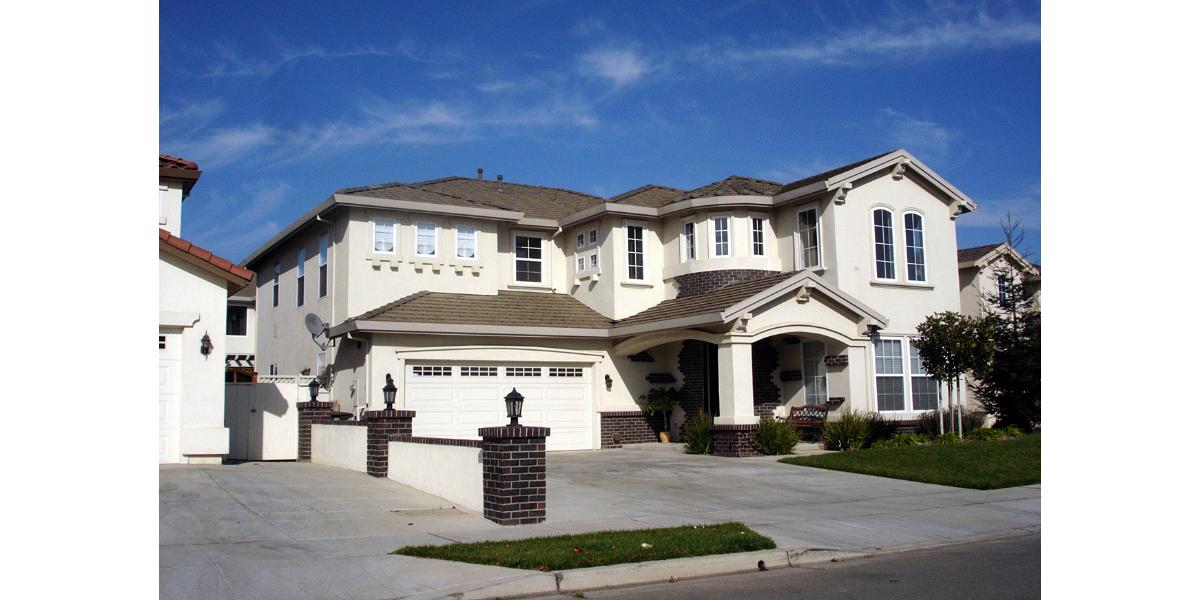
Two-story homes on a residential street in Salinas, California. Photo: Brendel, derivative work by NVO, CC BY-SA 2.5, via Wikimedia Commons.
Common questions
Should I ask the seller for closing costs or a lower price?
It depends on what is short. If cash at closing is the problem, a closing cost credit helps most. If the monthly payment is the problem, have a lender price points, a temporary buydown and a price cut on the actual house, in writing, before the offer goes in.
How much can a seller pay on an investment property?
On a conventional loan, Fannie Mae limits seller contributions to 2% of the price on an investment property. Other loan types set their own rules, so confirm the limit with the lender first.
This week, settle how the home will be used before writing an offer. Occupancy decides the cap, and the cap decides how large a credit is worth requesting.
Convoy Home Loans can compare the options for either kind of purchase at convoyhomeloans.com.
This post is general education, not a loan offer. Convoy Home Loans, Inc., NMLS #2130517, DRE #02147305. Equal Housing Opportunity.